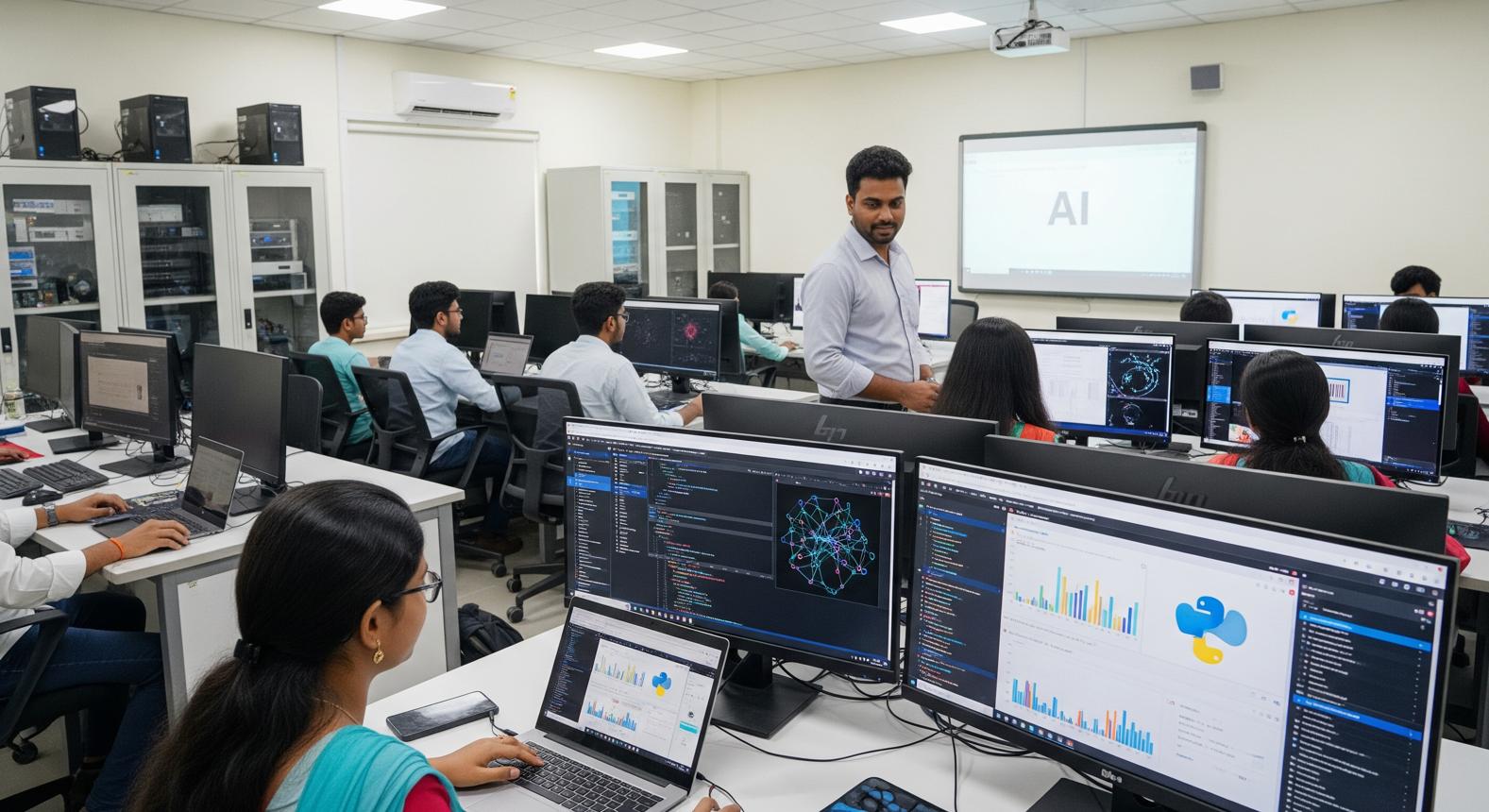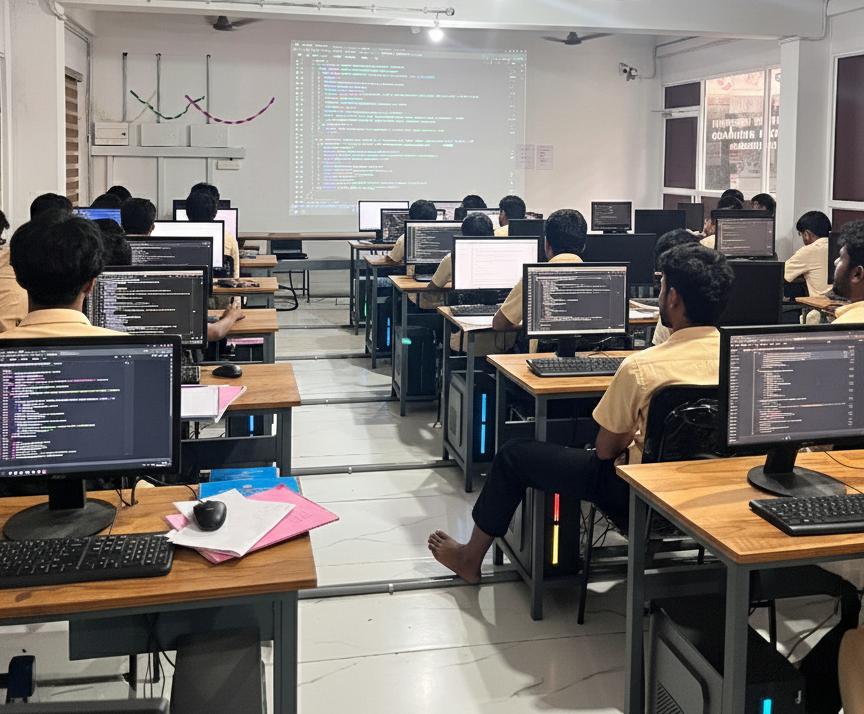
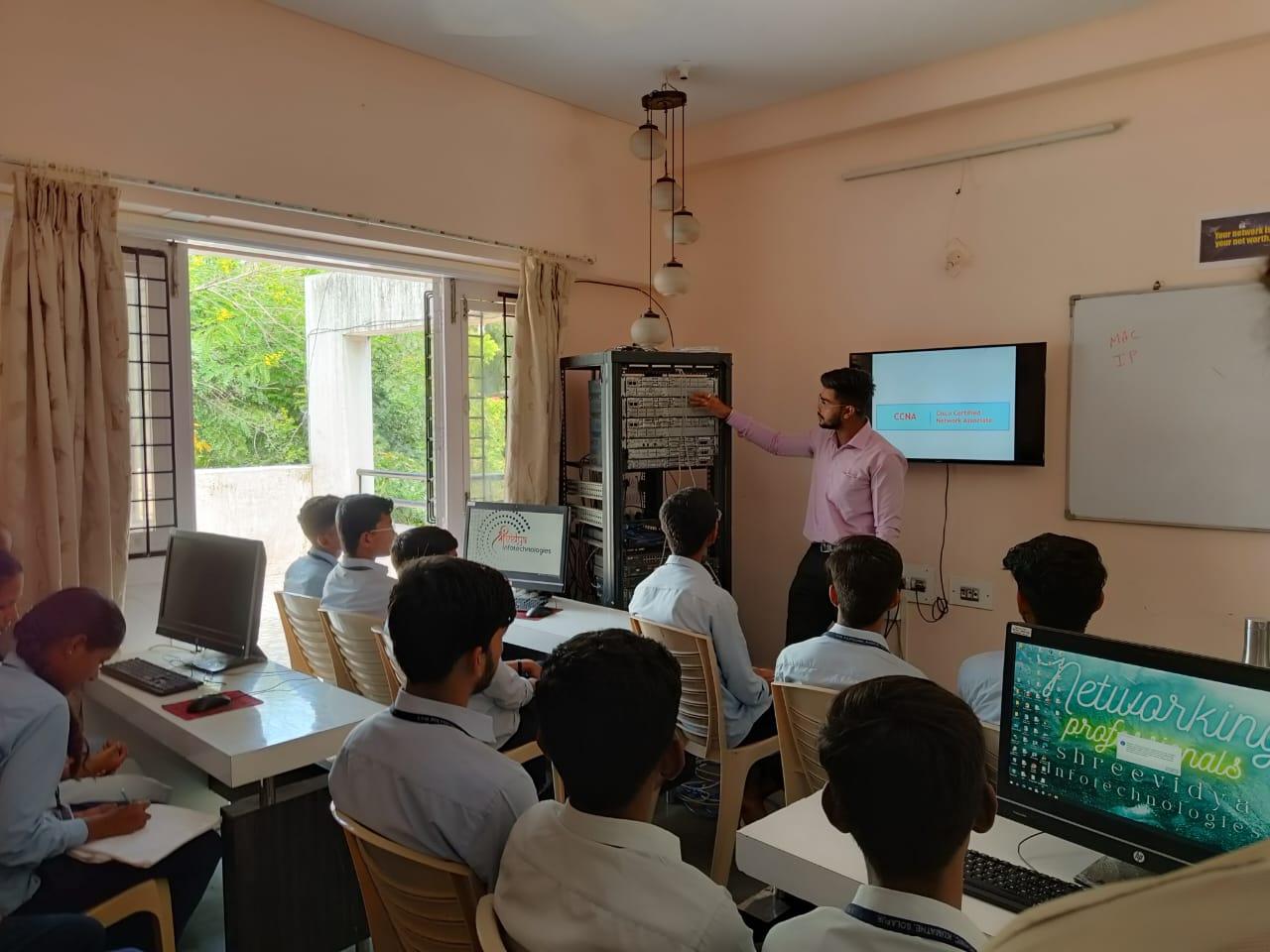
If you are planning to enter the IT field, learning networking can be an excellent starting point. Choosing the right networking course institute can help you develop practical knowledge along with the technical concepts required for networking-related jobs. From basic networking principles to routers, switches, IP addressing, network security, and troubleshooting, structured training can give learners the confidence to work with real-world networking environments.
Build a Strong Technical Foundation
A good networking program starts with fundamental concepts before progressing to advanced topics. This approach helps beginners understand how networks work instead of simply memorising technical terms.
Develop Practical Networking Skills
Theory is important, but practical experience is equally valuable. Training that includes configuration exercises, troubleshooting activities, and network simulations can help learners understand how networking concepts are applied in professional environments.
Important Skills You Can Learn
- Computer networking fundamentals
- IP addressing and subnetting
- Routers and switches
- LAN and WAN concepts
- TCP/IP protocols
- DNS and DHCP
- Network troubleshooting
- Basic network security
- Wireless networking
- Network monitoring concepts
What Can You Learn in a Networking Course?
| Networking Topic | What You Can Understand |
|---|---|
| Networking Basics | Network types, devices, and communication |
| IP Addressing | IPv4, IPv6, subnetting, and addressing |
| Switching | Switch functions, VLANs, and basic configuration |
| Routing | Routing concepts and router fundamentals |
| TCP/IP | Core networking protocols and communication |
| DNS & DHCP | Name resolution and automatic IP assignment |
| Network Security | Basic security practices and protection |
| Troubleshooting | Identifying and resolving network issues |
| Wireless Networking | Wi-Fi concepts and connectivity |
| Practical Labs | Hands-on networking exercises |
Career Opportunities After Networking Training
Network Support Technician
Network support technicians help organisations maintain their network infrastructure and resolve connectivity-related problems.
Network Administrator
Network administrators are responsible for managing network devices, monitoring performance, maintaining connectivity, and supporting network operations.
IT Support Executive
IT support professionals assist employees with hardware, software, connectivity, and basic network-related issues.
Who Should Join Networking Training?
- Students interested in IT careers
- Graduates looking for technical skills
- Beginners starting their IT journey
- IT support professionals who want to improve networking knowledge
- Professionals planning to move into infrastructure roles
- Learners interested in network administration and cybersecurity
Benefits of Learning Networking
- Strong IT Foundation – Understand how computers and systems communicate.
- Practical Technical Skills – Learn networking concepts through practical exercises.
- Career Flexibility – Explore different IT support and infrastructure roles.
- Future Learning Opportunities – Build a foundation for advanced IT specialisations.
Frequently Asked Questions
Yes. Networking can be a suitable starting point for beginners who are interested in IT infrastructure, technical support, and computer networks. Starting with fundamental concepts and gradually developing practical skills can make the learning process easier.
Requirements depend on the course. Many beginner-level networking programs are open to students, graduates, and individuals with basic computer knowledge.
The duration depends on the syllabus, course level, practical sessions, and training schedule. Basic programs may be shorter, while advanced programs can require more time.
Yes. Networking is an important foundation for cybersecurity because security professionals need to understand protocols, traffic, devices, ports, IP addresses, and network architecture.
Student Reviews
I had a great learning experience at G-TEC Education in Madurai. The networking sessions were practical, informative, and easy to follow. A good choice for students looking to build strong IT skills.
Very good Networking Training for students and beginners. The practical sessions helped me understand networking fundamentals, troubleshooting, and real-world concepts better.
A great choice for anyone looking for Networking Training in Madurai. The training is easy to follow, practical, and career-focused. It helped me develop a stronger foundation in networking.
The Networking Training was very useful and well structured. Networking concepts were explained step by step with practical examples, making the learning experience simple and effective.
Conclusion
Before joining a course, compare the curriculum, practical training, trainers, and overall learning approach. With consistent practice and continued learning, networking can become a strong foundation for progressing into areas such as network administration, cybersecurity, cloud computing, and IT infrastructure.